The Clippings Machine
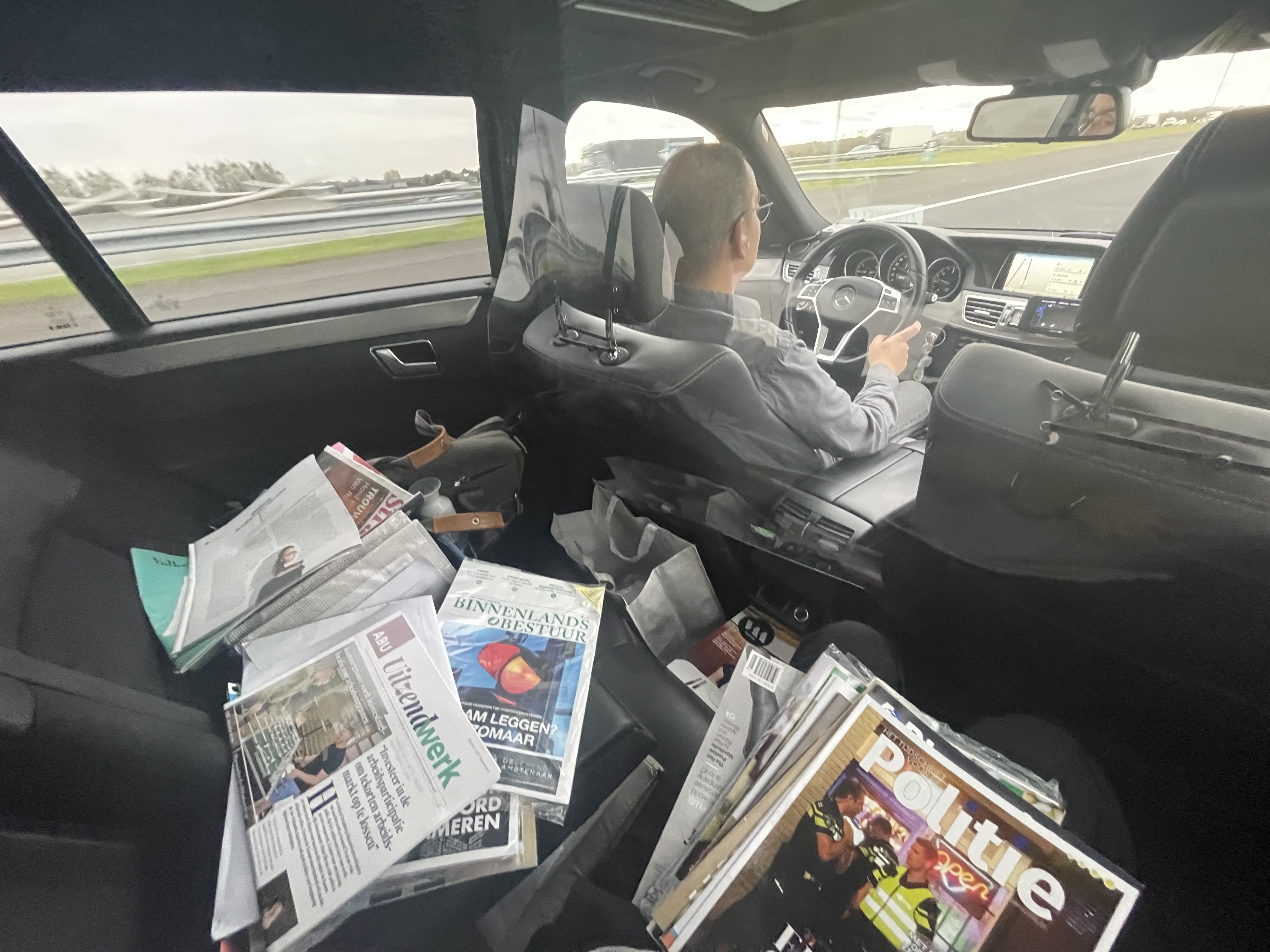
For more than 25 years, I've been tearing articles from newspapers and magazines. Literally: ripping out pages, rolling them up, taking them along. On the train, at the airport, in a waiting room — that's where I read them. The good ideas I typed into a task app. A photo of the article went to Evernote, later Obsidian. Valuable, but dead information capital — waiting to be discovered, on the radar but unconnected.
What I tear out falls into two categories. Sometimes it's broad — something resonates out of curiosity, without knowing where it fits. I tear it out on instinct. Other times it's specific — I'm working on something and the article connects directly.
The problem was never the reading or the filtering. After thousands of articles, you quickly sense what resonates. The problem was that every clipping disappeared into a silo. The task app didn't know what was in Evernote. Obsidian didn't know who I spoke to yesterday. Nothing crossed.
Recently, I started processing clippings digitally in my source library. Not as scans or screenshots, but as structured sources: who wrote it, for which publication, which people and organisations are mentioned, which concepts. The system recognises entities and places them alongside everything it already knows.
Last night I read an article about a university wanting to break free from American technology. The CIO leading that effort, I know from an earlier career. A mutual acquaintance finds my current project exciting and knows her well. The subject — information autonomy — is exactly what that project is about.
When I tore out that article, it was broad. I didn't know it would become specific. The system made the connection my mind can no longer track. With ten articles, your memory can still manage. With a hundred, it can't. With a thousand, not a chance. The system doesn't forget, doesn't miss names, and draws connections across sources that are years apart.
The broad clippings are the most interesting ones. Because what you tore out without knowing why, turns out to fit somewhere later. The pattern was always there — you just couldn't see it.
The human filters. The system crosses. Together they see more than either one alone.